
Design and Technology (DT)
Intent
Design, Make and Evaluate
At St Joseph’s Catholic Primary School, we believe that Design and Technology empowers children to become creative, innovative and resourceful problem-solvers. Through a curriculum that is practical, purposeful and inspiring, pupils are encouraged to design, create, evaluate and refine products that meet real needs and solve real problems.
Using the Kapow Primary Design and Technology scheme, pupils develop an understanding of the design process through researching, designing, making and evaluating. They learn to take risks, think critically and persevere when faced with challenges, developing resilience and confidence as designers and makers.
We aim to equip pupils with the creative, technical and practical expertise needed to participate successfully in an increasingly technological world. Through hands-on experiences, children learn how design and technology shapes everyday life and influences the world around them. They are encouraged to become environmentally aware and responsible consumers, understanding the importance of sustainability and the impact of design decisions on people and the planet.


Implementation
At St Joseph’s Catholic Primary School, Design and Technology is taught for three half-terms each year, alternating with Art and Design. We use the Kapow Primary Design and Technology scheme to provide a progressive and ambitious curriculum that builds knowledge, understanding and practical skills over time.
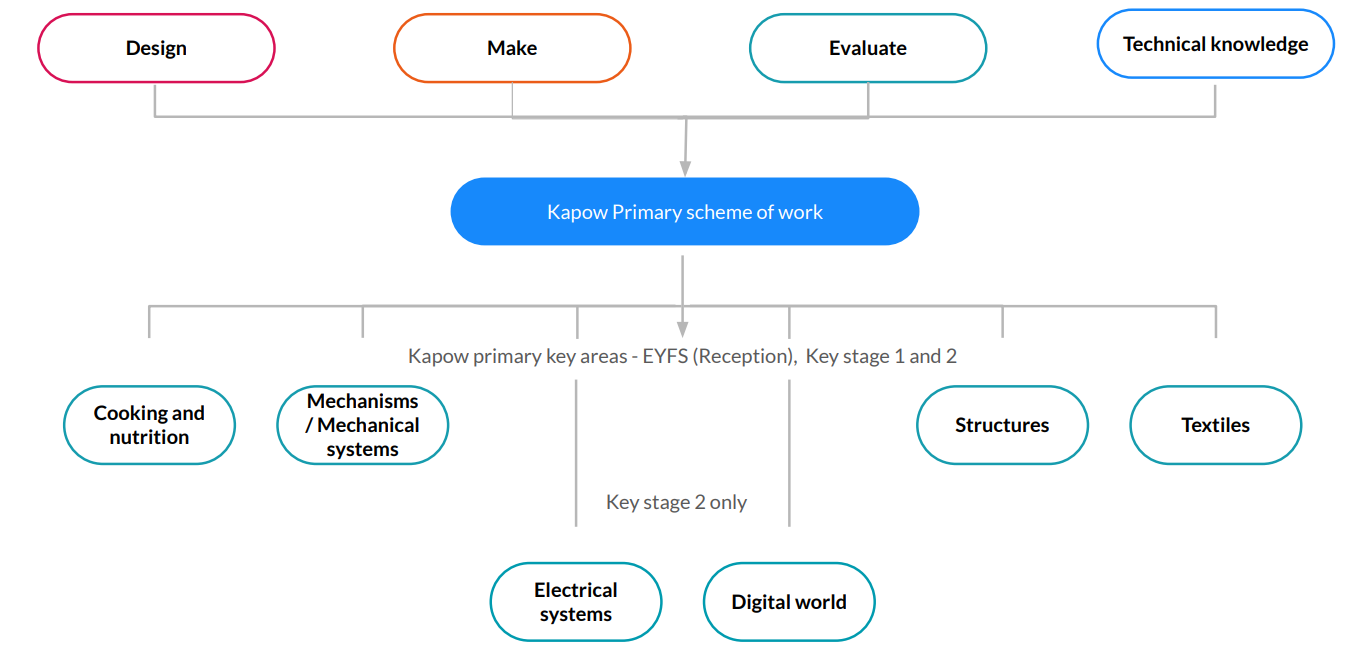
Learning is structured around the design process of:
- Design
- Make
- Evaluate
Throughout the curriculum, pupils develop expertise in:
- Mechanisms
- Structures
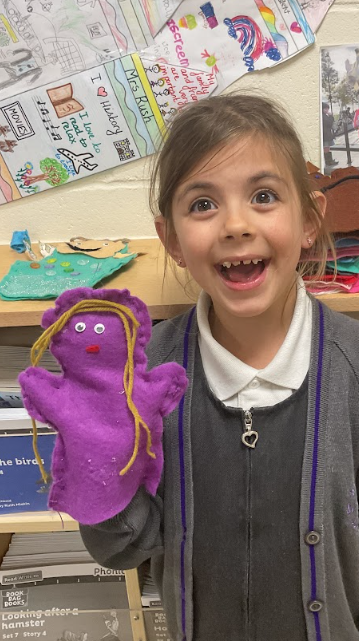
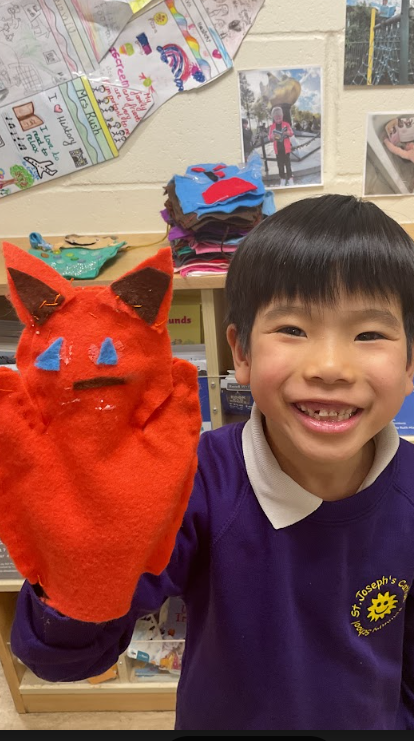
- Textiles
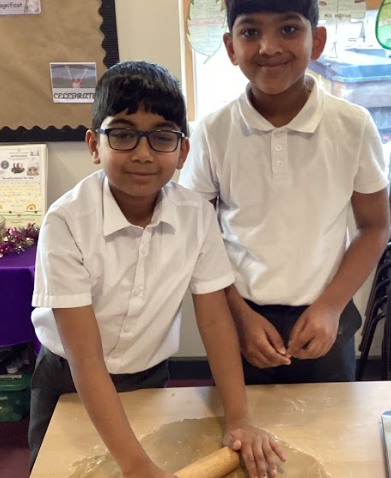
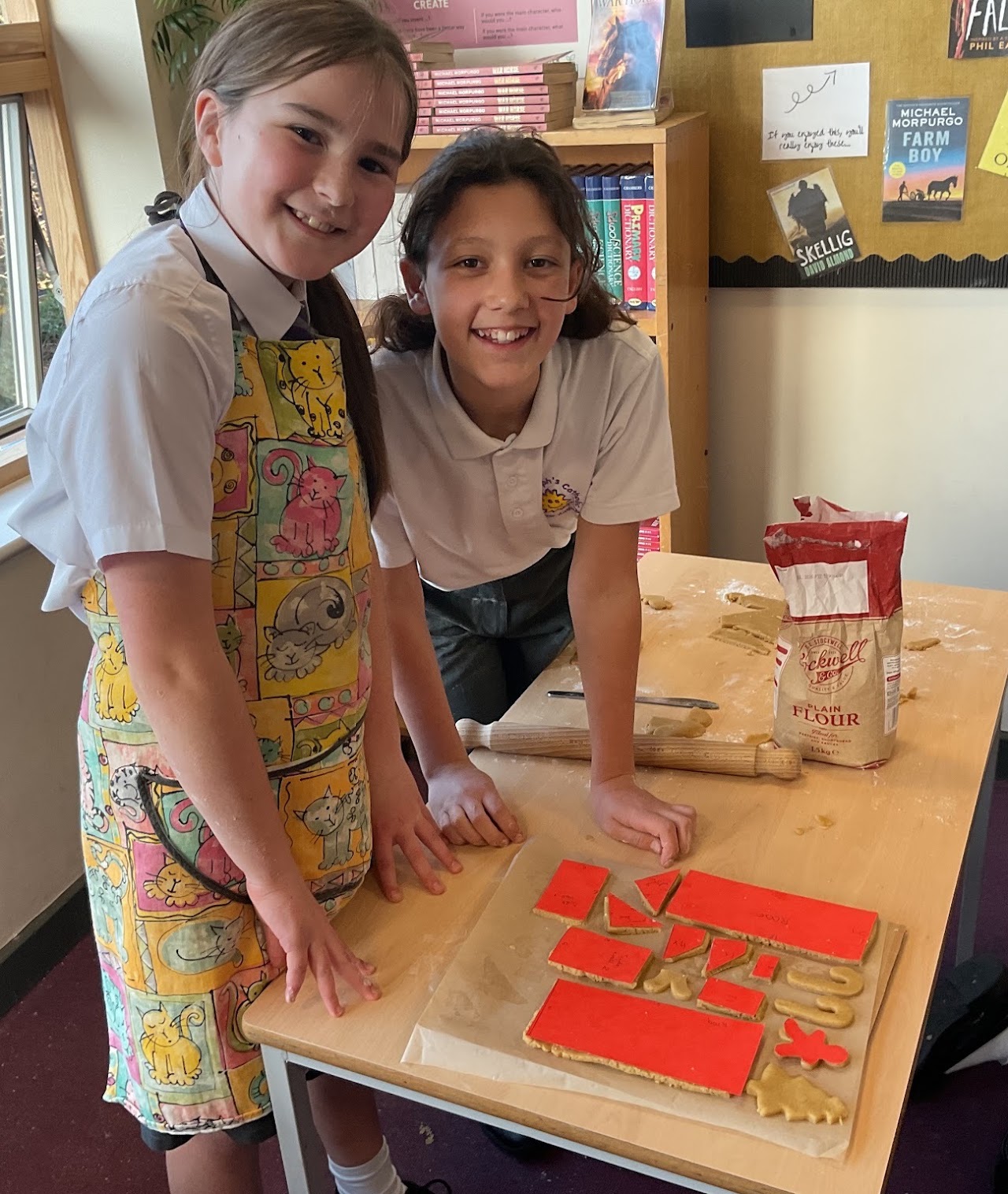
- Cooking and Nutrition
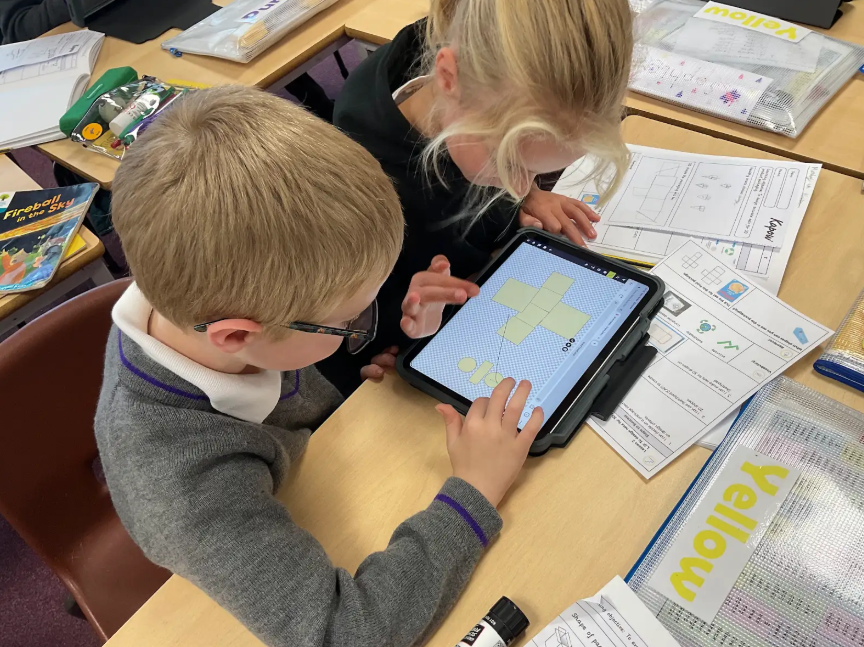
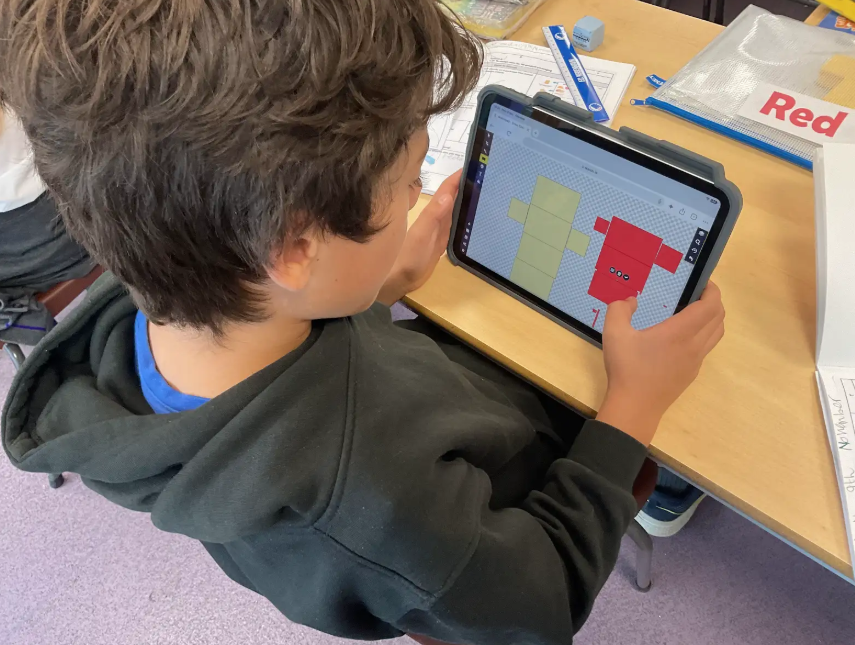
- Digital and Electrical Systems
Lessons are practical, engaging and challenging, enabling pupils to apply creativity alongside technical knowledge. Prior learning is regularly revisited to strengthen understanding, while new skills and vocabulary are carefully introduced and embedded.
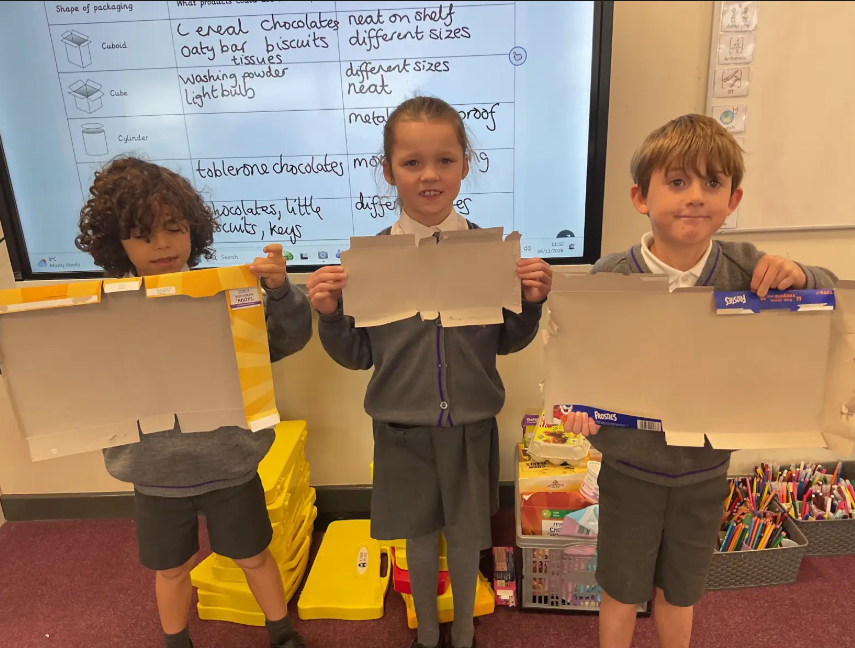
Pupils are encouraged to think like designers by researching existing products, generating innovative ideas, creating prototypes, testing and refining their designs, and evaluating their effectiveness. Through this process, children develop independence, resilience and confidence in problem-solving.
The curriculum is enriched through opportunities for cross-curricular learning, including links with science, mathematics, art and computing. Teachers adapt learning to ensure that all pupils are supported and challenged appropriately, enabling every child to succeed.
In line with the National Curriculum, pupils are taught to:
- Develop creative, technical and practical expertise.
- Design and make high-quality products for a range of users.
- Critique, evaluate and improve their ideas and products.
- Understand and apply principles of nutrition and healthy eating.
- Use tools, materials and equipment safely and effectively.
Impact
Pupils will have increasing opportunities to make thoughtful and informed design choices, selecting appropriate tools, materials and techniques to bring their ideas to life with purpose and precision. They will be able to talk confidently about their design intentions, evaluate the effectiveness of their products, and identify how they could refine or improve their work in the future. Over time, pupils develop a secure understanding of the full design cycle; researching, planning, making and evaluating and understand how these stages connect to real‑world design and engineering processes.
Through repeated experiences of planning and creating, pupils build resilience, problem‑solving skills and the ability to adapt their ideas when they encounter challenges. They learn to apply knowledge from other subjects such as mathematics for measurement, science for understanding materials and forces, and computing for control and programming to strengthen the quality and accuracy of their work.
Progress is visible through pupils’ project outcomes, annotated designs, prototypes, verbal explanations and practical work. Pupils reflect on their learning through topic overviews, self‑assessment and teacher feedback, recognising their achievements and identifying clear next steps. Over time, this leads to pupils who are increasingly confident, independent and capable designers, equipped with the creative thinking and practical skills needed for future learning.
Oracy in Design and Technology
Through our Design and Technology curriculum, pupils develop their communication and presentation skills by:
- Explaining and justifying their design choices.
- Presenting ideas, prototypes and finished products to different audiences.
- Using subject-specific vocabulary accurately and confidently.
- Working collaboratively to plan, organise and evaluate projects.
- Providing constructive feedback on the work of others.
- Reflecting on and improving their own designs.
- Discussing problems and proposing solutions.
- Summarising and defending their ideas through presentations and evaluations.
Catholic Ethos
Design and Technology provides opportunities for pupils to use their God-given talents creatively and purposefully. Pupils are encouraged to consider how design can improve the lives of others and contribute to the common good. Through learning about sustainability, ethical production and responsible consumption, children develop an understanding of their role as stewards of God's creation and the importance of caring for people and the environment.
British Values
The Design and Technology curriculum actively promotes British Values and prepares pupils for life in modern Britain.
Through Design and Technology, pupils develop:
- Mutual Respect by valuing the ideas, contributions and design solutions of others when working collaboratively.
- Tolerance of Different Faiths and Beliefs through exploring products, innovations and design influences from a wide range of cultures, traditions and communities.
- Individual Liberty through making design choices, expressing creativity and developing original solutions to problems.
- Democracy through discussion, teamwork and shared decision-making throughout the design process.
- The Rule of Law through understanding health and safety expectations, following agreed procedures and using tools and materials responsibly.
These experiences help children become innovative, respectful and responsible citizens who are prepared to contribute positively to modern Britain.