
Computing
Intent
At St Joseph’s Catholic Primary School, we believe that computing is an essential part of preparing children for life in an increasingly digital world. Our computing curriculum is designed to inspire curiosity and develop resilience, problem-solving and critical thinking skills. We want all children to understand how digital systems work, how technology can be used purposefully, and how to stay safe and respectful online. Pupils gain experience in computer science, information technology and digital literacy, enabling them to become active participants in a rapidly changing technological world.
As a Catholic school, we recognise the importance of teaching children to use technology ethically and responsibly. Through our computing curriculum, pupils learn to demonstrate respect, integrity and responsibility in their online interactions, understanding how technology can be used positively to serve others and contribute to the common good.
We aspire for all pupils to leave St Joseph’s as digitally literate learners who can confidently use technology to communicate, create, collaborate and solve problems, while understanding both the opportunities and responsibilities that come with living in a digital age.
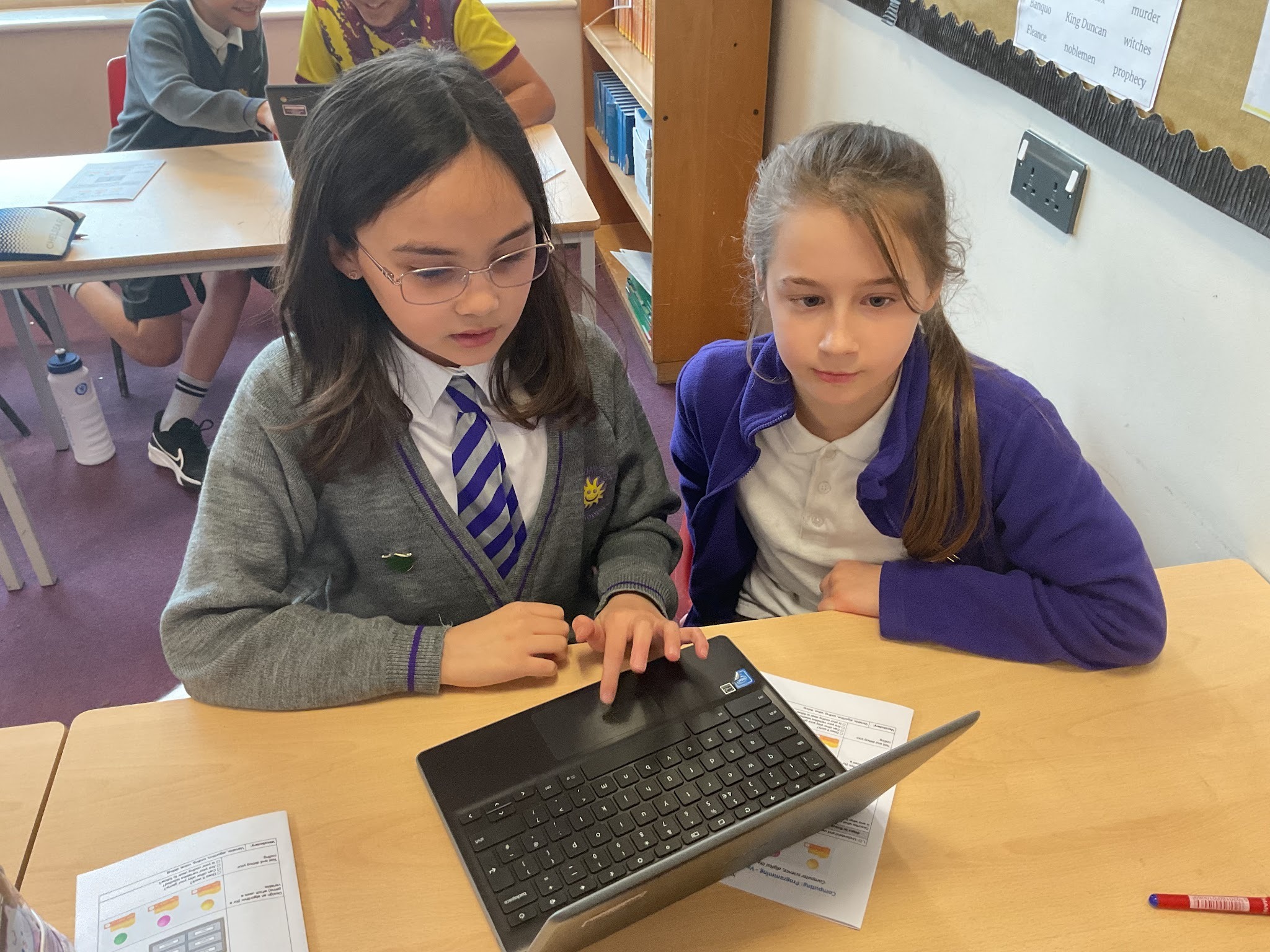
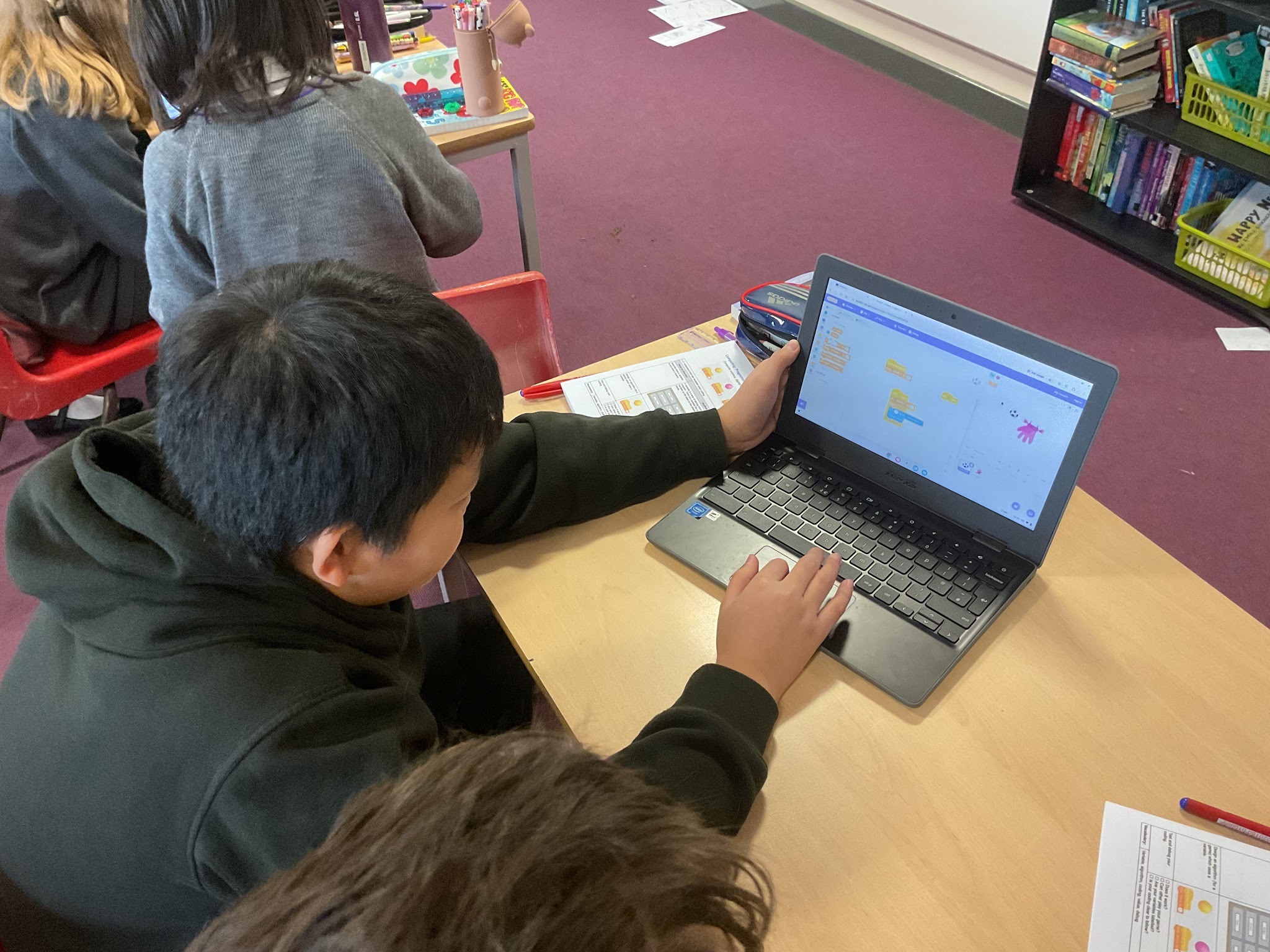
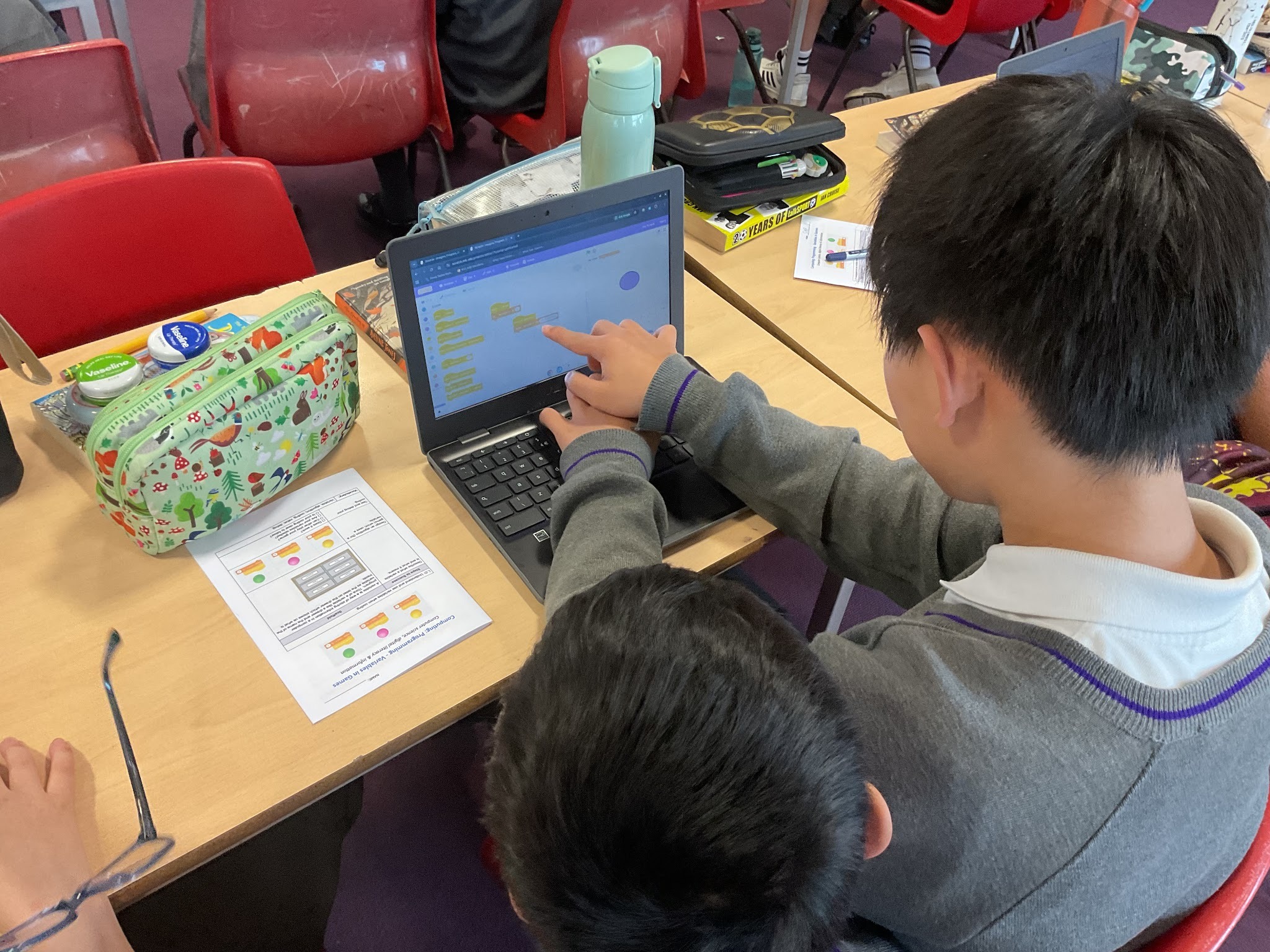
Implementation
At St Joseph's Catholic Primary School, Computing is taught through the Kapow Primary Computing Scheme, which provides a carefully sequenced curriculum that progressively develops pupils' knowledge, skills and understanding from EYFS to Year 6.
The curriculum is organised around the three strands of the National Curriculum:
- Computer Science – understanding how computers and networks work whilst developing programming and coding skills.
- Information Technology – using technology purposefully to create, organise, store, manipulate and present information.
- Digital Literacy – learning how to use technology safely, respectfully and responsibly.
Through engaging and practical lessons, pupils are taught to:
- Develop computational thinking and problem-solving skills.
- Create and debug algorithms and programmes.
- Use a range of digital devices and software confidently and purposefully.
- Communicate and collaborate using technology.
- Understand how data is collected, stored and used.
- Recognise the importance of online safety, privacy and digital wellbeing.
Online safety is embedded throughout the curriculum and revisited regularly to ensure pupils develop the knowledge and confidence needed to navigate the digital world safely.
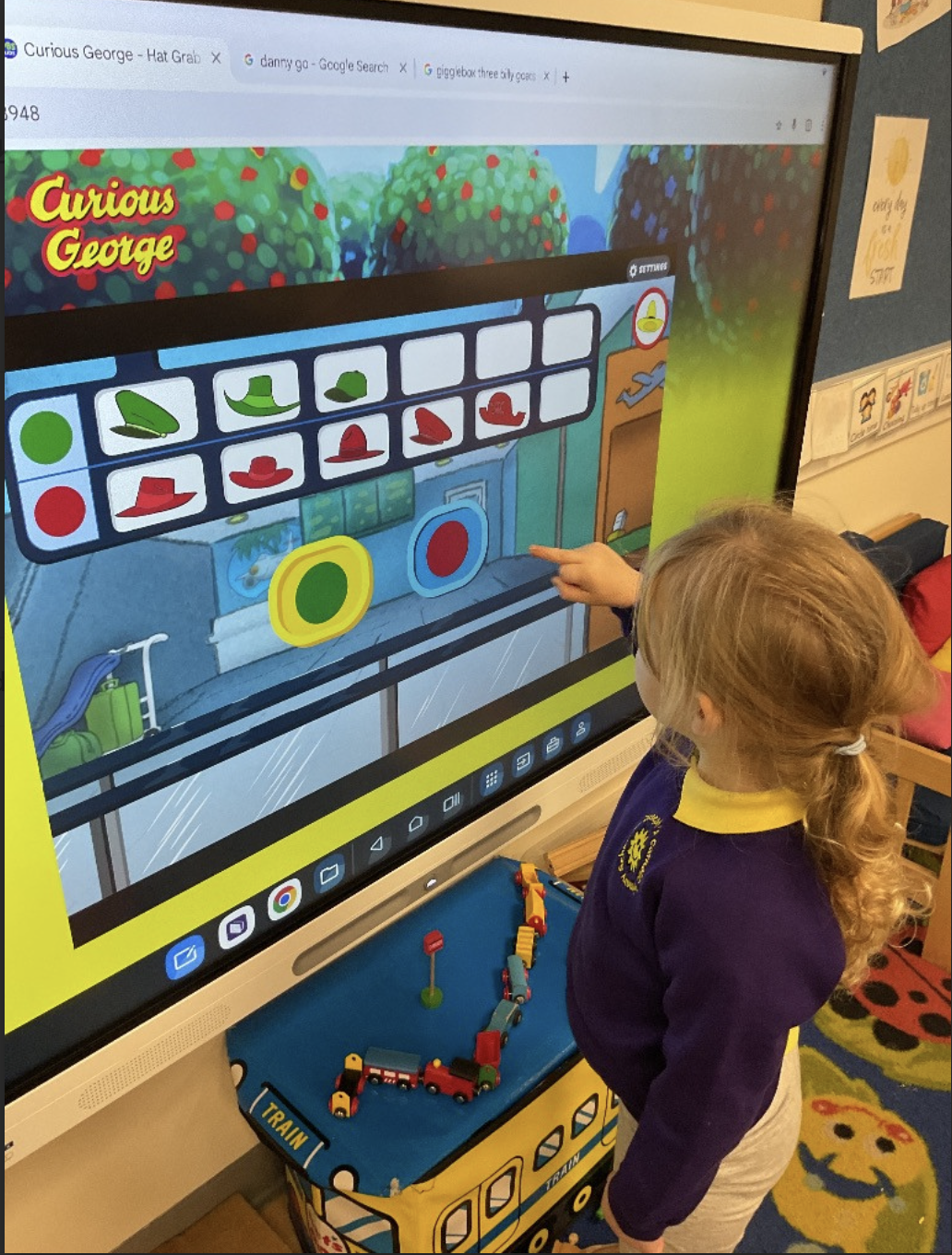
Learning is enriched through cross-curricular opportunities, educational technology, and purposeful use of digital tools to enhance learning across the wider curriculum. Lessons are carefully adapted to ensure all pupils can access, participate in and succeed in computing regardless of their starting points.
Impact
The impact of our Computing curriculum is evident in pupils who are confident, capable and responsible users of technology. Through the progressive Kapow curriculum, children develop the knowledge, skills and vocabulary required by the National Curriculum whilst becoming resilient problem solvers and critical thinkers.
By the time pupils leave St Joseph's Catholic Primary School, they will:
- Demonstrate confidence and independence when using a range of technologies.
- Understand key computing concepts, including algorithms, programming and networks.
- Apply computational thinking to solve problems and overcome challenges.
- Create digital content using a variety of software and applications.
- Use technology safely, responsibly and respectfully.
- Understand how technology influences modern life and future careers.
- Retain and apply computing knowledge and skills across the curriculum.
- Achieve age-related expectations in Computing and be well-prepared for the next stage of education.
Pupils leave St Joseph's as digitally literate learners who can use technology creatively, purposefully and safely in an ever-changing world.
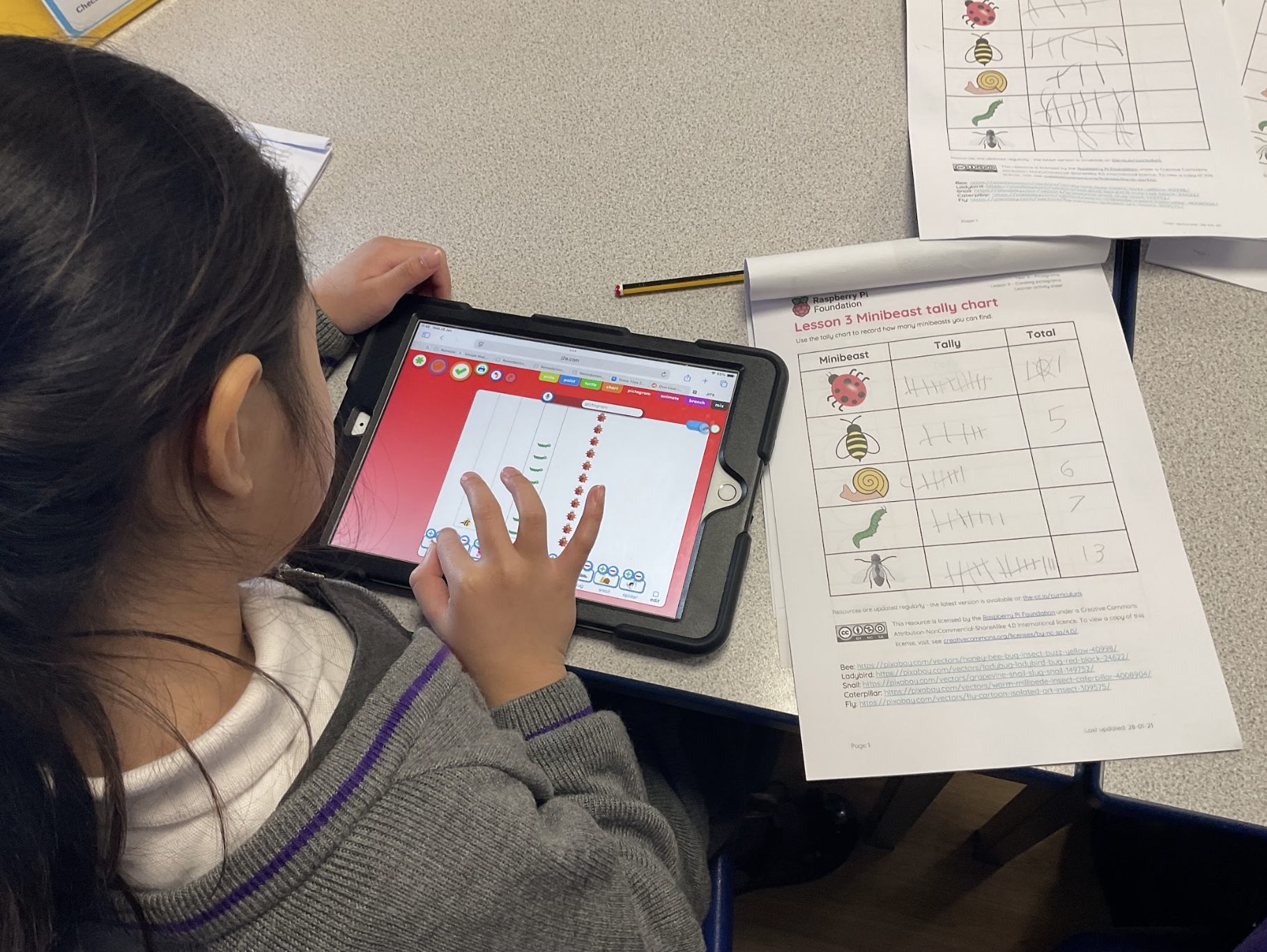
Oracy in Computing
Through our Computing curriculum, pupils develop their oracy skills by:
- Explaining their thinking when creating algorithms and solving problems.
- Using technical computing vocabulary accurately and confidently.
- Presenting digital projects and explaining the decisions they have made.
- Collaborating with peers during coding and problem-solving activities.
- Discussing online safety scenarios and justifying appropriate responses.
- Evaluating digital content and providing constructive feedback.
- Articulating solutions when debugging programmes and overcoming challenges.
- Participating in discussions about the impact of technology on society and everyday life.
Catholic Ethos
We believe that technology should be used responsibly and for the common good. Our Computing curriculum encourages pupils to recognise their responsibility as digital citizens and to use technology in ways that reflect Gospel values, respect for others and human dignity.
Through computing, pupils learn the importance of honesty, kindness and integrity in online environments. They are taught to communicate respectfully, protect themselves and others online, and understand how technology can be used positively to help communities and support those in need.
By promoting ethical and responsible use of technology, we encourage pupils to become compassionate, informed and responsible members of both the digital and wider community.
British Values
The Computing curriculum actively promotes British Values and prepares pupils for life in modern Britain.
Through computing, pupils develop:
- Democracy through collaboration, discussion and shared decision-making when planning and creating digital projects.
- Individual Liberty through opportunities to create, innovate and express ideas using a range of technologies.
- Mutual Respect by working collaboratively and communicating appropriately both online and offline.
- Tolerance of Different Faiths and Beliefs through understanding how technology connects people, cultures and communities across the world.
- The Rule of Law through learning about online safety, copyright, privacy, acceptable use and the legal responsibilities associated with technology.
These experiences help pupils become responsible, respectful and informed digital citizens who understand both the opportunities and responsibilities that technology brings.