
Modern Foreign Languges (MFL)
Intent
At St Joseph’s Catholic Primary School, we aim to foster a love of language learning and develop children’s curiosity about languages, cultures and the wider world. Through our French curriculum, delivered through the Kapow Primary French scheme, pupils develop the confidence to understand and communicate in French through speaking, listening, reading and writing. We provide secure foundations in language learning that support a successful transition to secondary school and encourage a lifelong interest in languages.
Our carefully sequenced curriculum enables pupils to progressively build their knowledge of French from Year 3 to Year 6. Through the interconnected strands of phonics, vocabulary and grammar, children learn to communicate with increasing accuracy, confidence and independence. Regular opportunities to revisit and apply prior learning help pupils develop resilience, language-learning strategies and the ability to make connections between languages.
Learning French also broadens pupils’ understanding of the wider world by introducing them to French-speaking cultures, traditions and communities. In keeping with our Catholic ethos, we encourage children to value diversity, respect others and recognise the dignity of all people. We want every child to experience success and leave St Joseph’s as a confident, enthusiastic linguist who is equipped to continue their language-learning journey and engage positively in an increasingly global society.
Implementation
French is taught progressively across Key Stage 2 through the Kapow Primary French scheme of work, with learning carefully sequenced to build knowledge, skills and confidence over time.
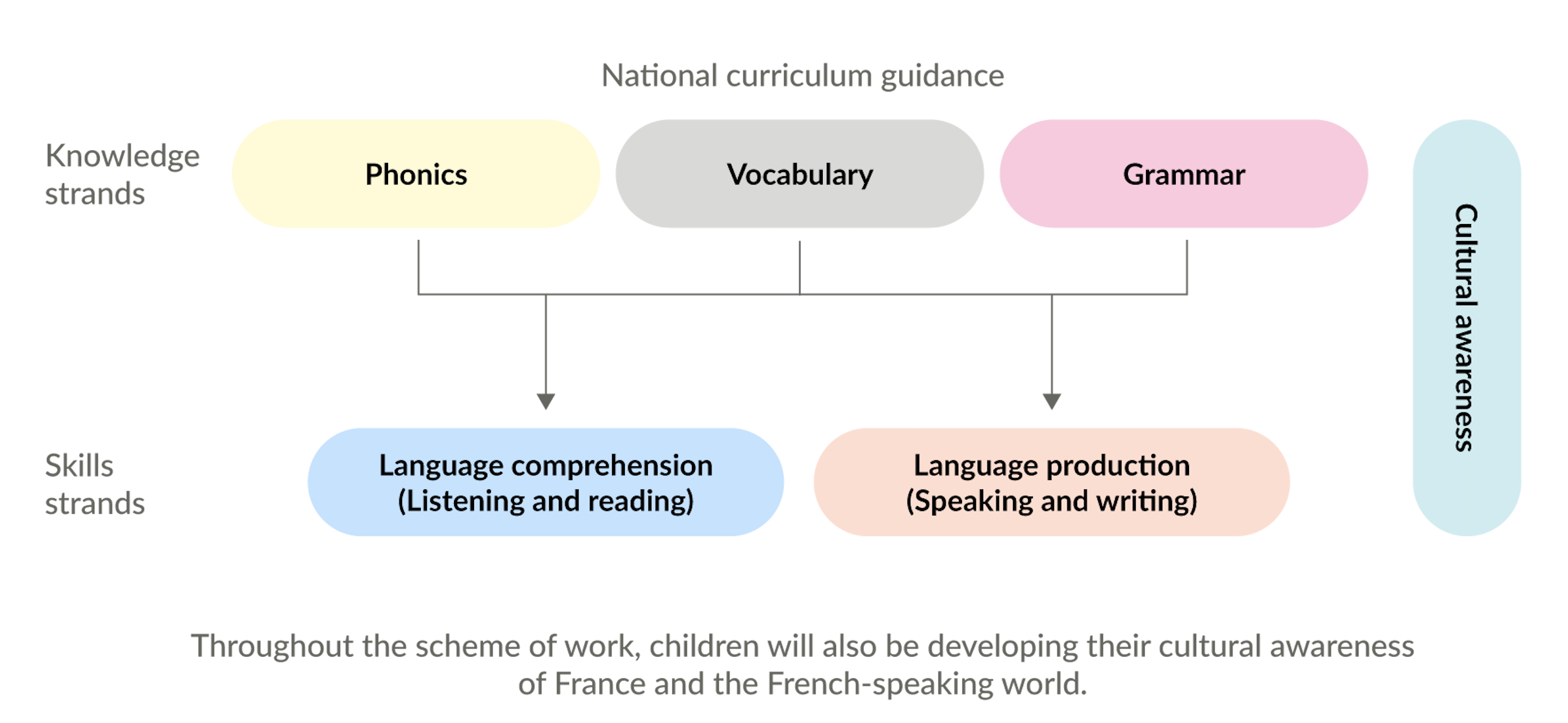
Pupils are taught to make connections between these building blocks so that they can communicate increasingly complex meaning in French.
Through their French learning, pupils are provided with opportunities to:
- listen attentively to spoken French and respond appropriately;
- develop increasingly accurate pronunciation and intonation;
- acquire, retain and apply a growing range of vocabulary;
- understand and manipulate grammatical structures with increasing confidence;
- participate in spoken conversations and language activities;
- read and understand words, phrases and short texts in French;
- express ideas through written French;
- use prior knowledge to infer the meaning of unfamiliar language;
- apply language-learning strategies independently; and
- develop a greater awareness and appreciation of French-speaking countries, cultures and traditions.
Kapow Primary French follows a spiral curriculum, in which key vocabulary, grammar and language structures are revisited and developed over time. This enables pupils to retrieve previous learning, strengthen long-term memory and build increasingly sophisticated understanding as they progress through Key Stage 2.
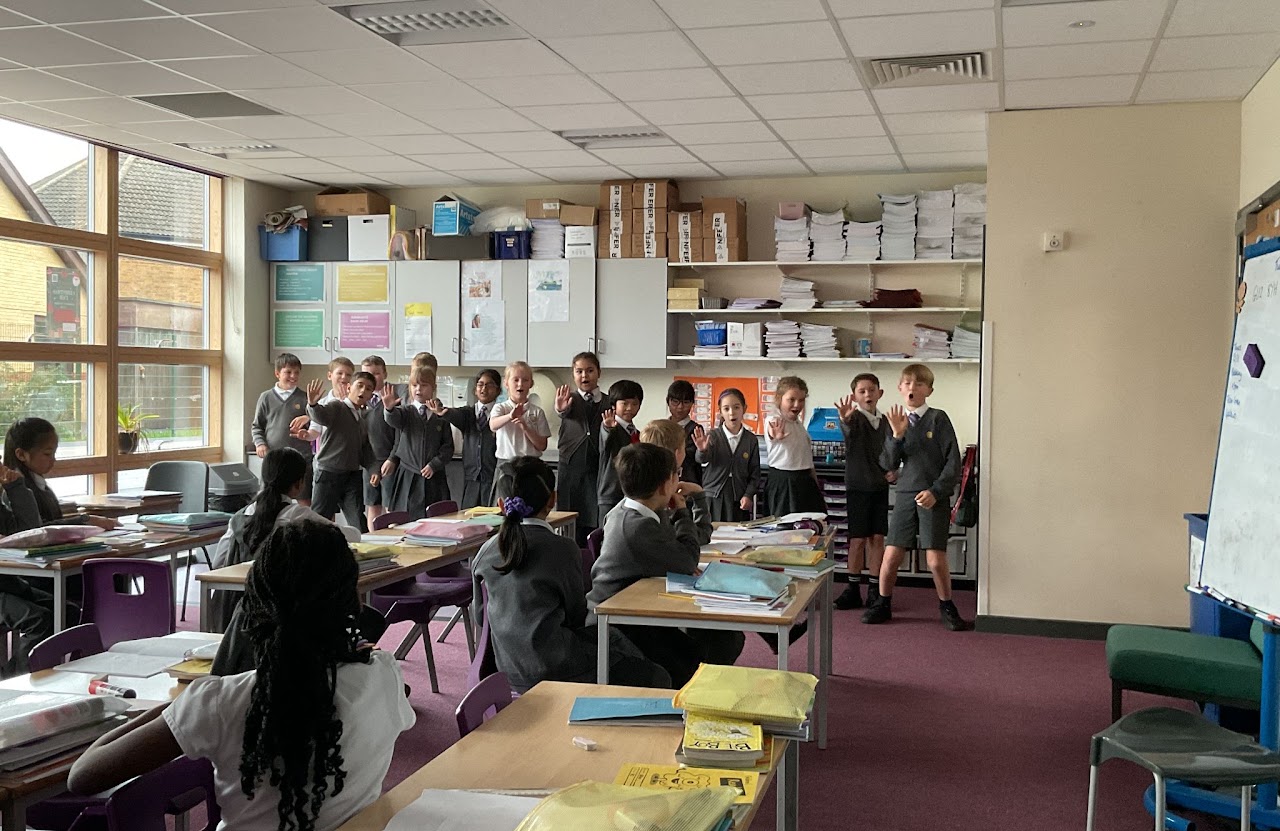
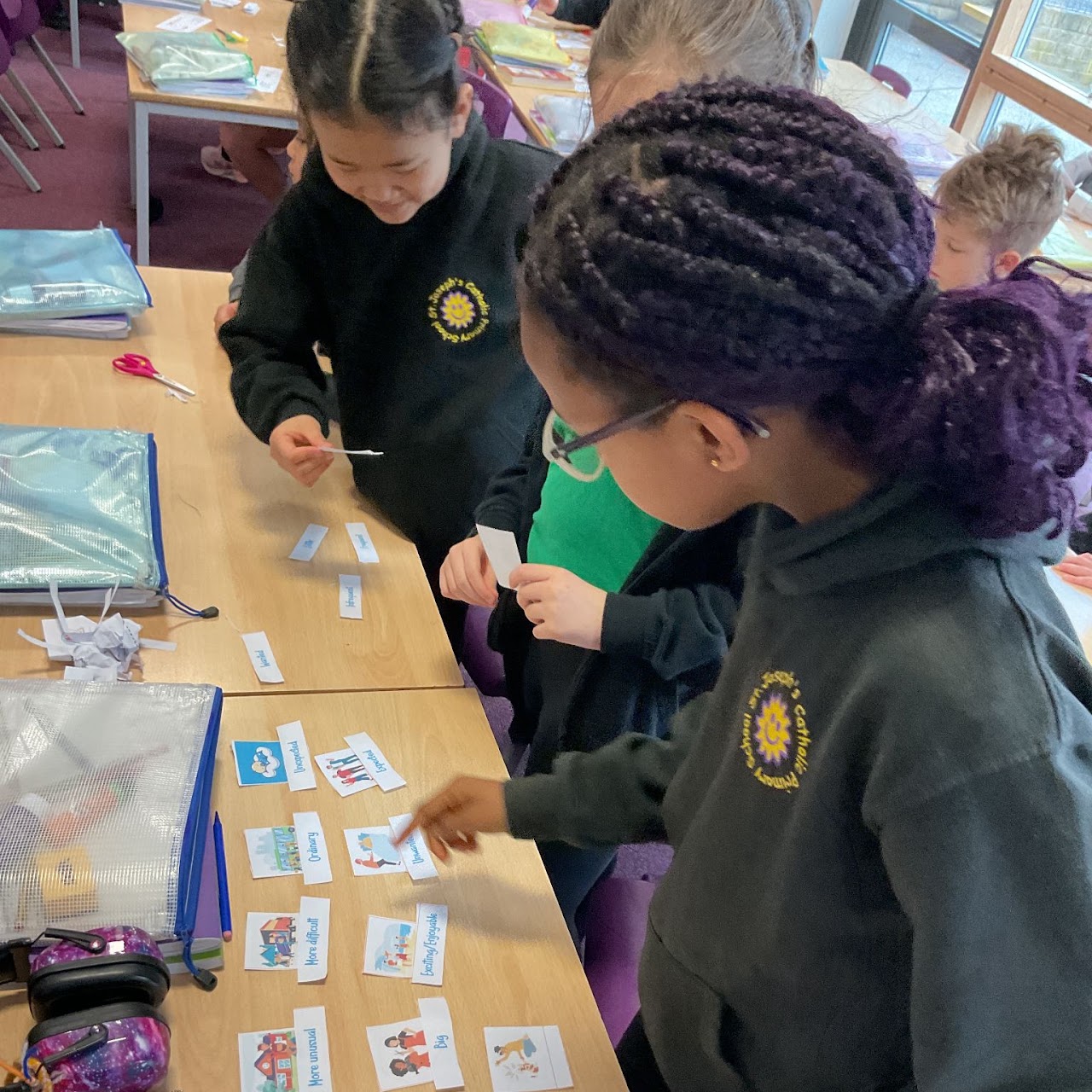
Lessons include a range of engaging learning experiences, including role-play, songs, games, partner talk, collaborative activities and independent application tasks. Teachers model language accurately and utilise Kapow Primary pronunciation support materials to ensure pupils hear and practise authentic French language patterns.
Impact
By the time pupils leave St Joseph’s Catholic Primary School, we want them to have developed a positive attitude towards language learning, a secure foundation in French and the confidence to continue studying languages at secondary school.
Children will increasingly be able to:
- understand and respond to familiar spoken French;
- communicate ideas, opinions and information through spoken French;
- pronounce words and phrases with increasing accuracy;
- read and comprehend familiar French vocabulary, phrases and texts;
- communicate meaning through written French;
- apply their understanding of phonics, vocabulary and grammar when encountering new language;
- recall and use previously taught language structures;
- use language-learning strategies independently;
- demonstrate an understanding and appreciation of different cultures; and
- approach language learning with confidence, curiosity and resilience.
Children’s progress is evidenced through their growing ability to independently apply their knowledge of phonics, vocabulary and grammar to understand and produce language. These core components underpin all learning within the Kapow Primary French curriculum.
Oracy Opportunities
Through our French curriculum, pupils have regular opportunities to develop their oracy skills by:
- listening attentively to spoken French and responding appropriately;
- repeating and practising vocabulary with accurate pronunciation and intonation;
- participating in structured conversations and role-play activities;
- asking and answering questions in French;
- performing songs, rhymes and poems to develop fluency and confidence;
- working collaboratively to practise and apply new language;
- presenting information about themselves and familiar topics;
- expressing opinions and preferences using increasingly sophisticated language;
- developing active listening skills and responding respectfully to others; and
- building confidence when speaking in front of peers and larger audiences.
These opportunities help children become articulate, confident communicators who can express themselves clearly, listen carefully and engage positively with others.
British Values
Our French curriculum promotes British Values through:
- Mutual Respect: Appreciating different languages, cultures and traditions and recognising the value of diversity.
- Tolerance: Developing understanding, empathy and respect for those from different cultural backgrounds and communities.
- Individual Liberty: Encouraging pupils to express their ideas, opinions and preferences confidently in a supportive learning environment.
- Democracy: Working collaboratively, taking turns, listening to others and valuing different viewpoints.
- Rule of Law: Understanding classroom expectations, routines and cultural conventions within language learning contexts.