Computing
Intent
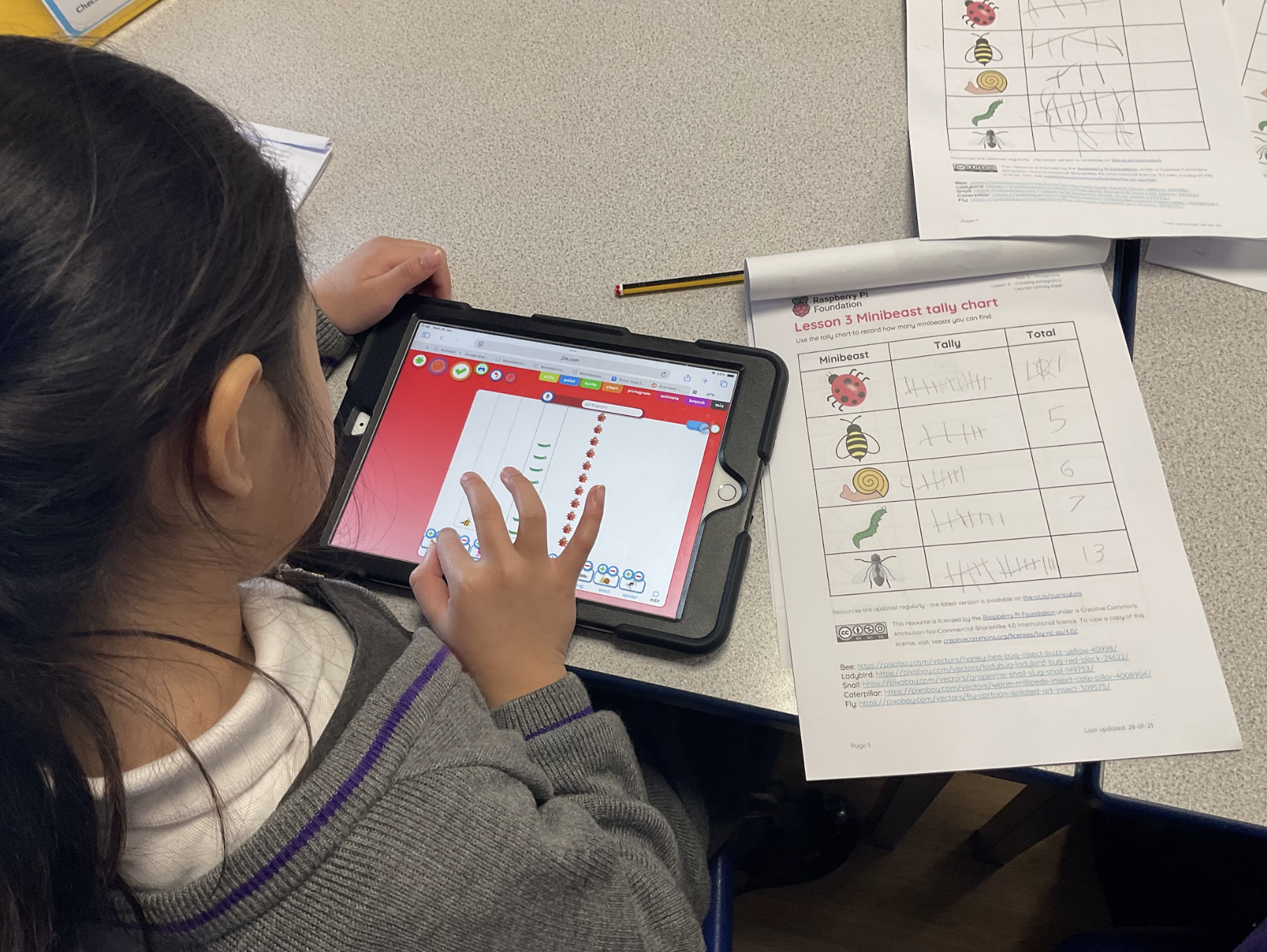
At St Joseph’s, we aim to ensure that all of our pupils become confident, responsible and creative users of technology. We recognise that digital skills are essential for their future, and our curriculum is designed to help pupils become masters of technology, not just passive consumers.
We build pupils’ understanding of computer science, digital literacy and information technology, giving them opportunities to develop their knowledge and skills progressively as they move through school. We also model and teach positive, safe and responsible use of technology, ensuring children learn to navigate the digital world with confidence and awareness.
Through a broad and ambitious curriculum, pupils become creators, not just consumers, of technology. Computing is also woven across other curriculum areas, so children can apply, secure and extend their skills in meaningful contexts. Pupils learn the fundamental principles of information and computation, algorithms and data representation, and how digital systems work.
Where appropriate, computing is meaningfully integrated across other curriculum areas, enabling pupils to apply and deepen their skills in real‑world contexts.
Implementation
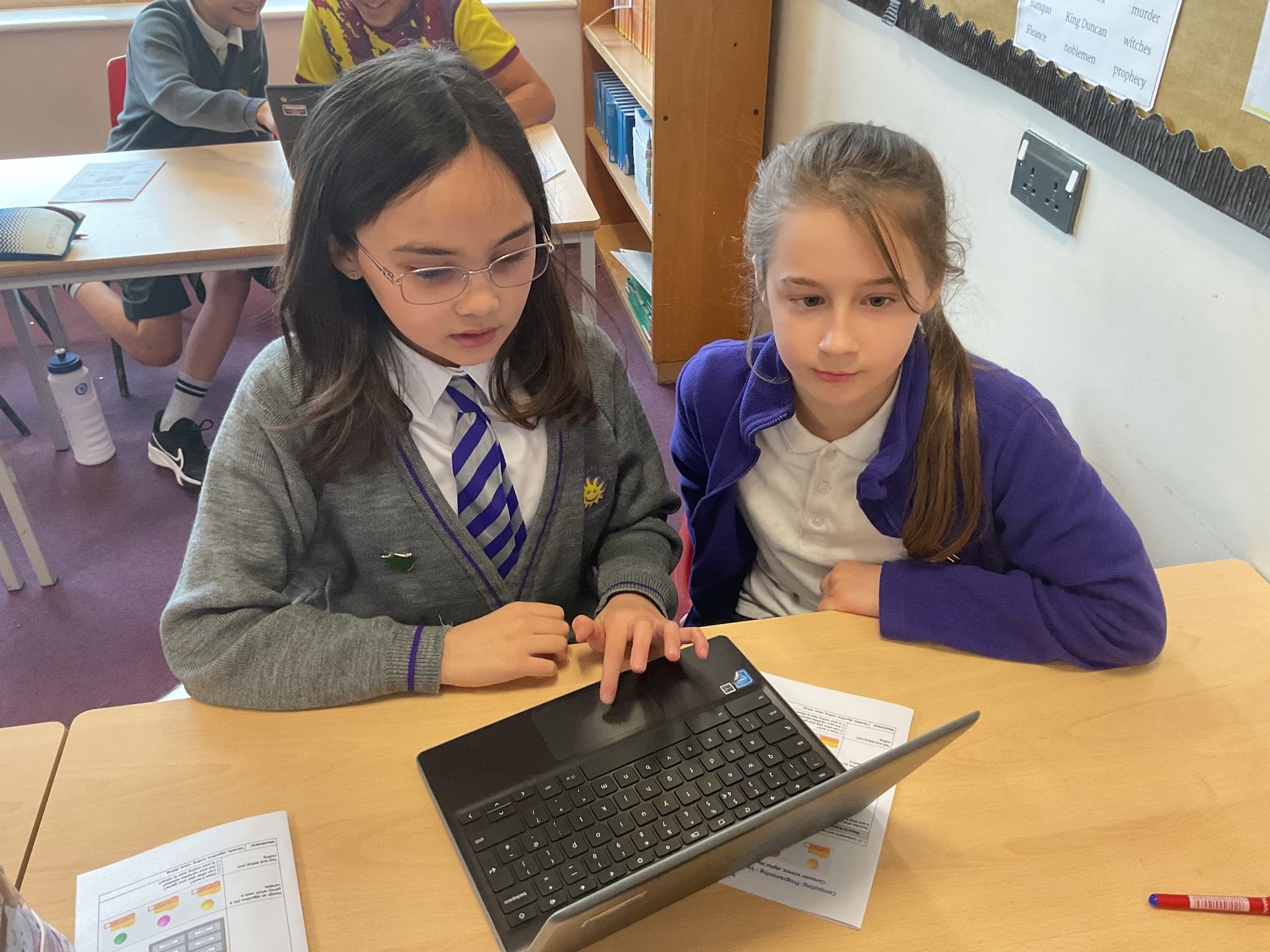
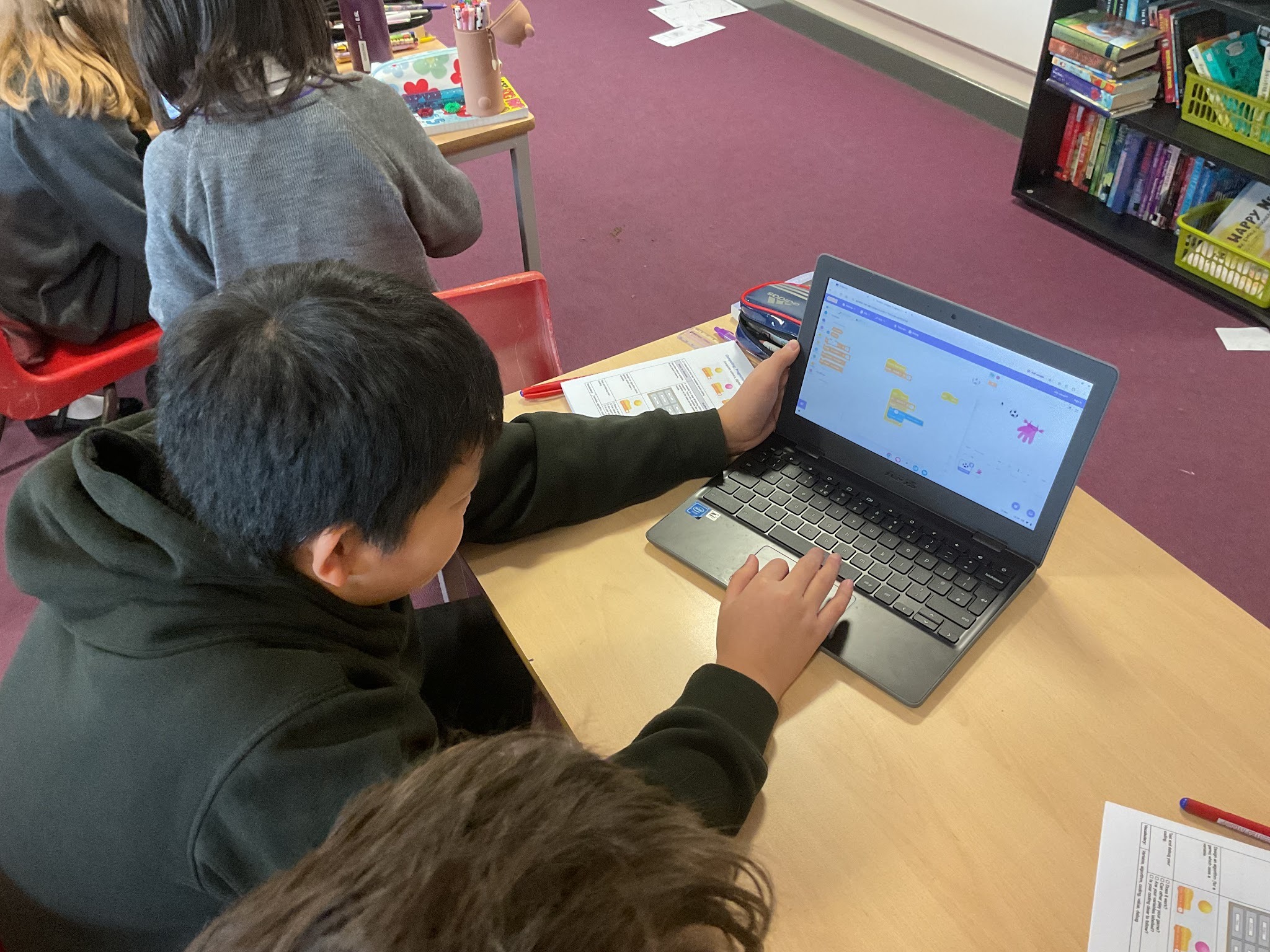
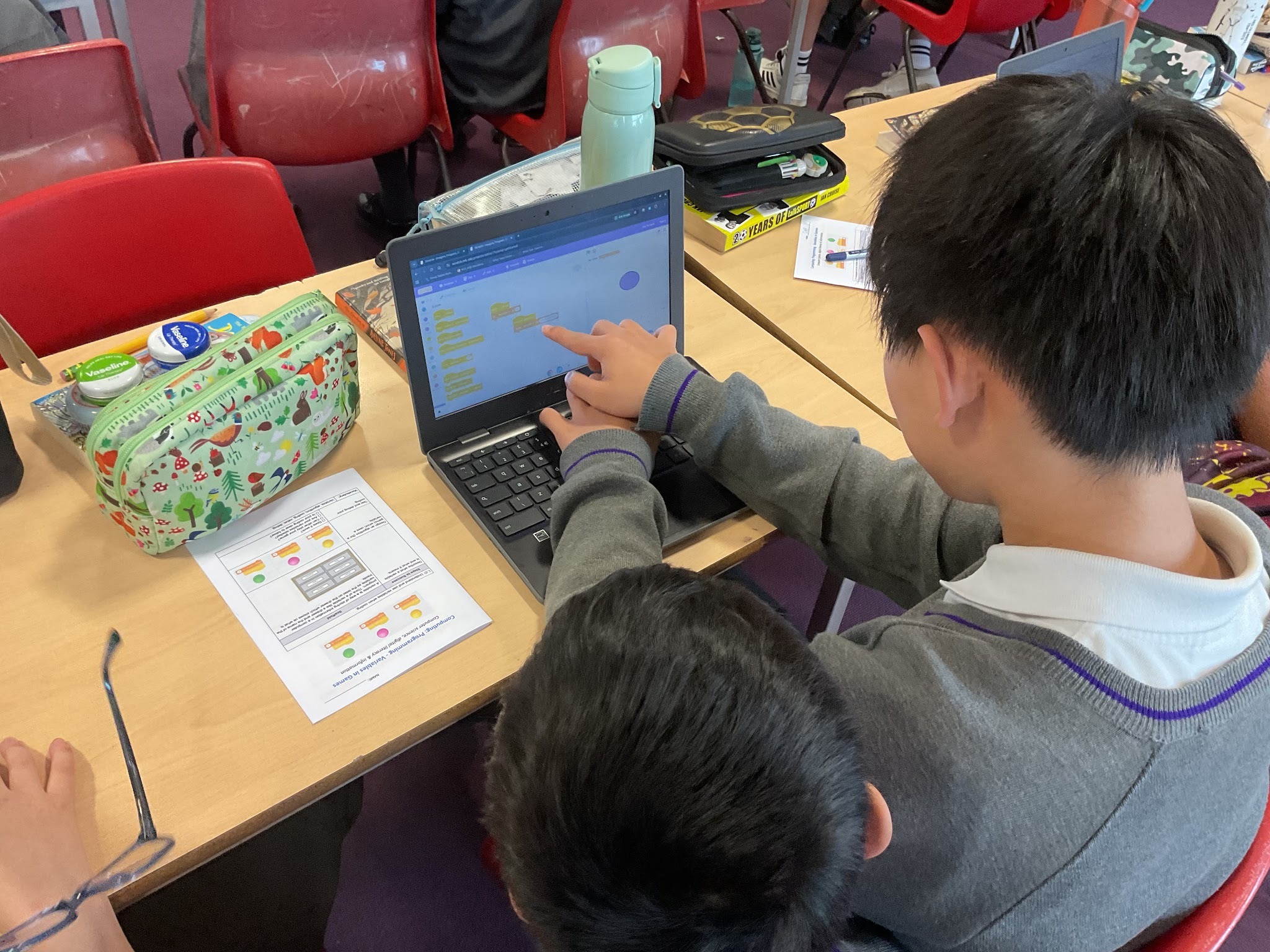
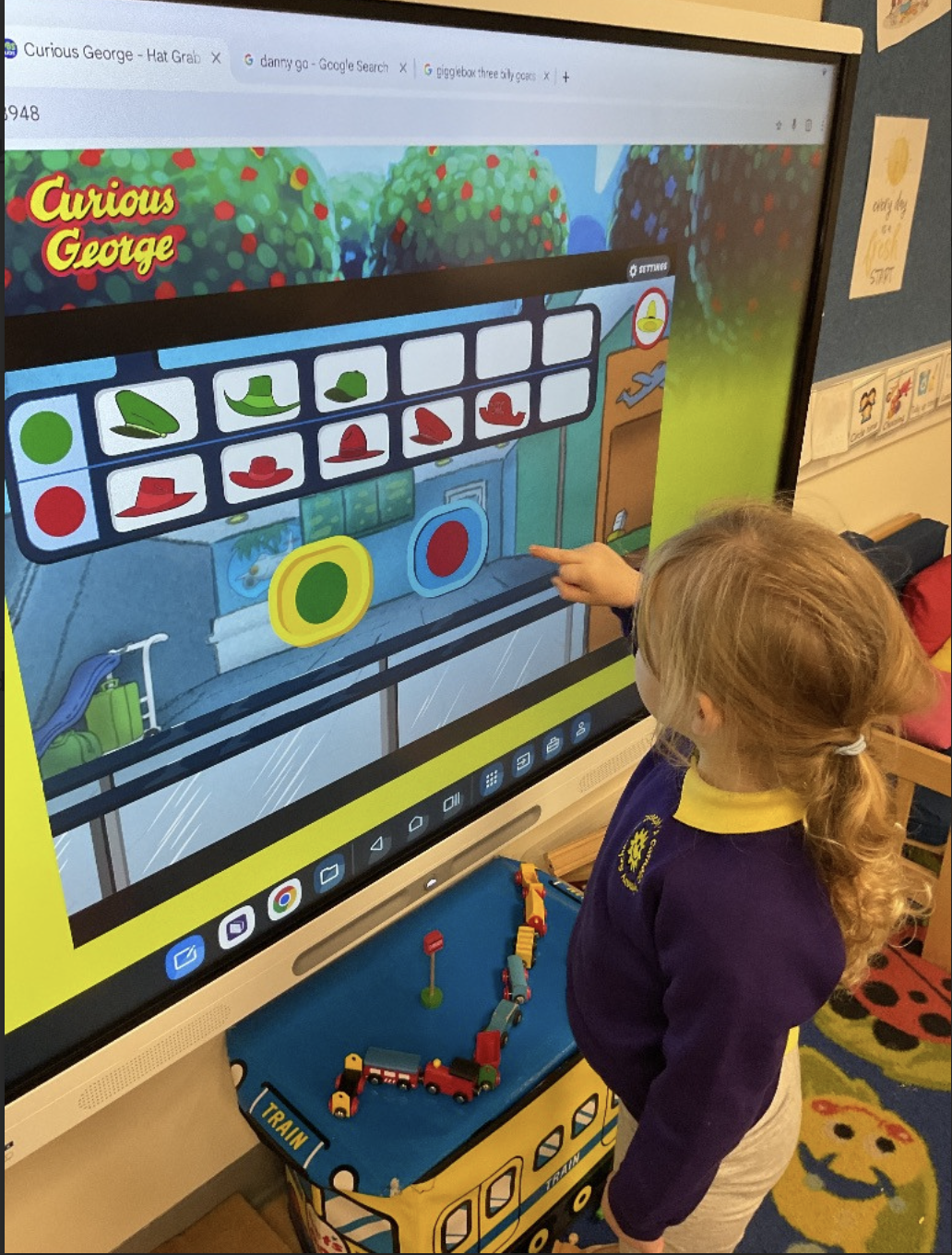
Computing is taught every half-term, with E‑Safety embedded throughout the entire year to ensure regular reinforcement of safe online behaviours. Lessons are taught explicitly following a structured progression, but teachers also provide additional opportunities for children to use technology in other subjects when meaningful links can be made.
Each year group completes projects that cover the five key strands of the computing curriculum, ensuring a broad and balanced experience. Learning is carefully sequenced so that skills are revisited, strengthened and extended over time. This approach allows children to build on prior knowledge while being challenged to think more deeply and apply their understanding in increasingly complex ways.
Impact
By the time pupils leave St Joseph’s, they are equipped with a range of digital skills that prepare them for life in a rapidly evolving technological world. They can discuss, reflect on and appreciate how computing supports their learning, their personal development and their wellbeing. Pupils learn to collaborate effectively as digital citizens, while also developing independence in their use of technology.
A core aim is that pupils understand the importance of maintaining a healthy balance between time spent online and offline.
Progress across the computing curriculum is evident through pupil outcomes, pupil voice activities, ongoing teacher feedback, and unit‑based project overviews. These collectively demonstrate the development of secure knowledge, practical skills, and responsible digital behaviours.